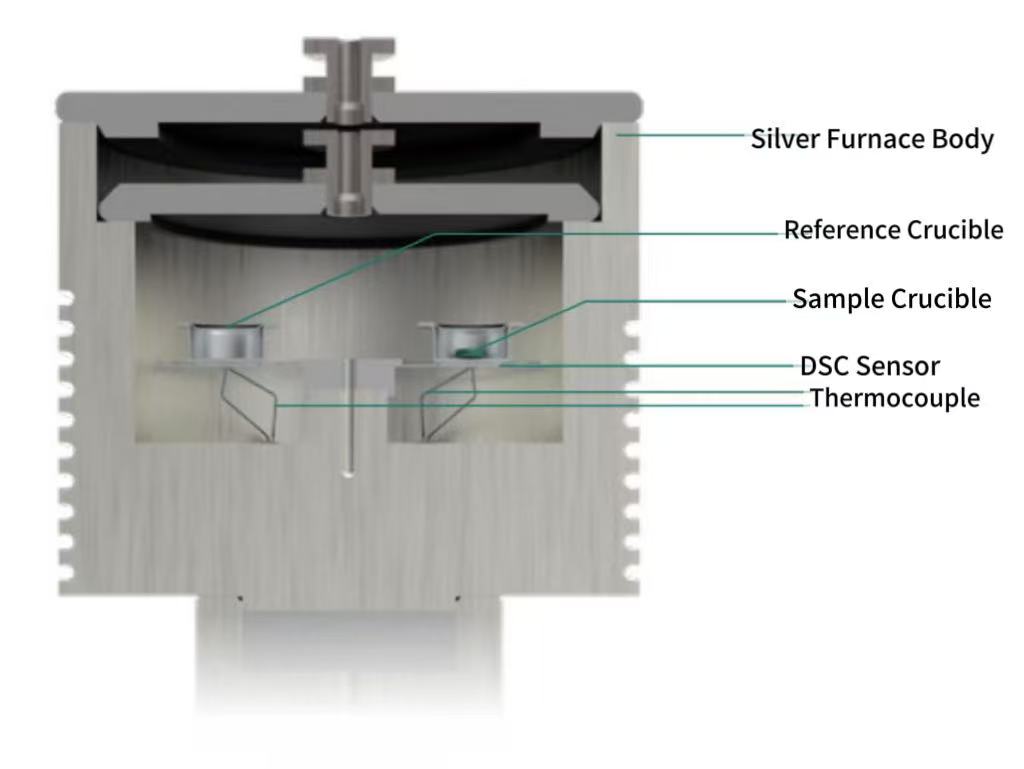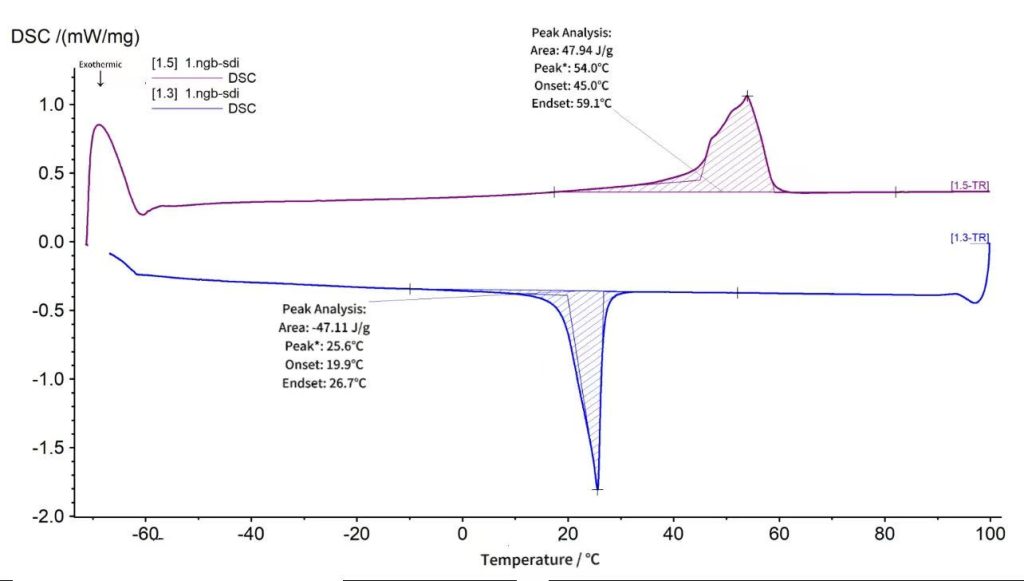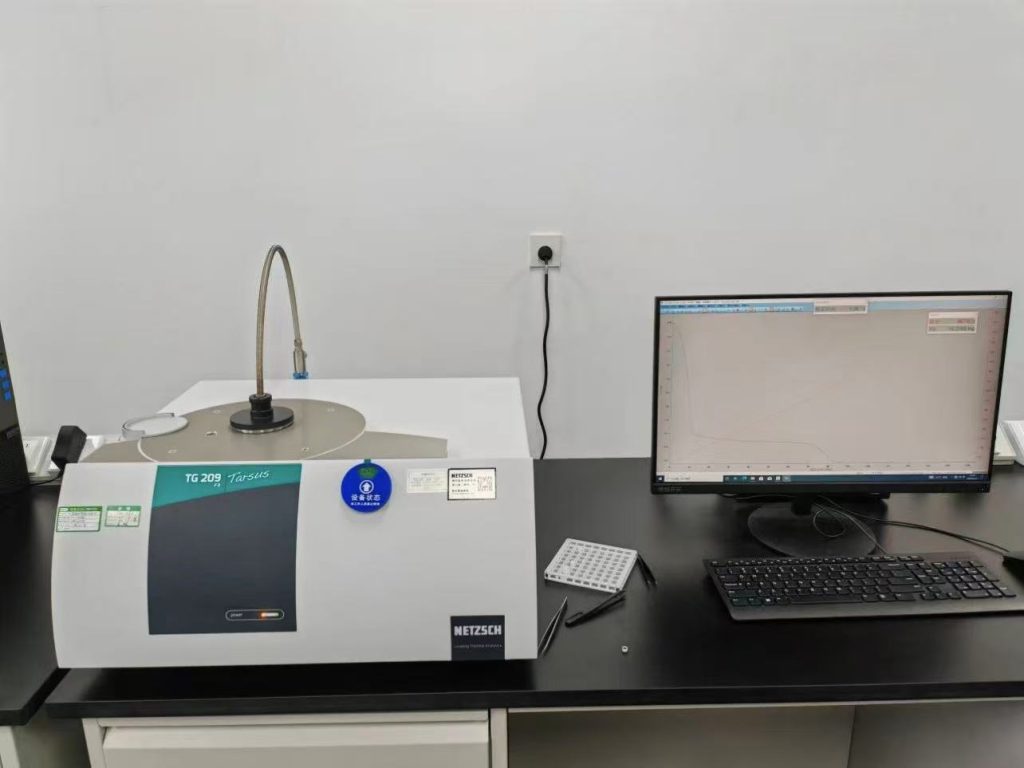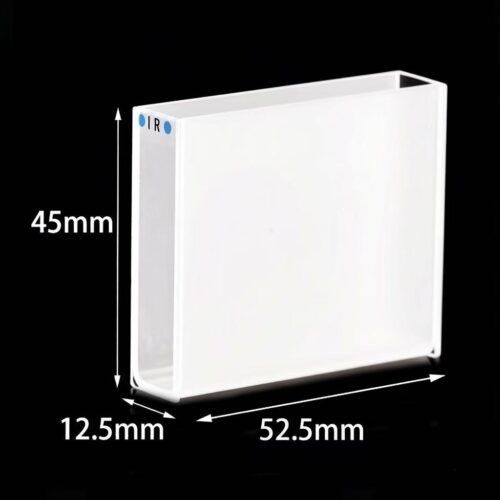
Differential Scanning Calorimetry (DSC) is one of the most widely used techniques in laboratories for measuring heat flow in materials. But did you know that the crucible you choose can significantly affect your results? Picking the right crucible is more than just matching size—it’s about material compatibility, temperature resistance, and long-term performance.
In this article, we’ll walk you through everything you need to consider when choosing crucibles for DSC analysis.
- Material Matters: Alumina vs Zirconia
Crucibles are usually made from ceramic materials, with alumina (Al₂O₃) and zirconia (ZrO₂) being the most common.
Alumina Crucibles
Great for general applications
Resistant to most chemicals
Handles temperatures up to ~1600°C
Economical and widely available
Zirconia Crucibles
Higher mechanical strength and thermal shock resistance
Ideal for repeated high-temperature testing
Resistant to aggressive or reactive materials
Last longer under demanding lab conditions
Tip: For everyday DSC work, alumina is fine. For aggressive samples or frequent high-temp runs, zirconia is worth the investment. - Size and Volume
Crucibles come in various sizes and volumes, usually measured in microliters (μL). Selecting the right size ensures your sample heats evenly and produces accurate results.
Too small: Sample may burn or decompose too quickly.
Too large: Heat may not transfer efficiently, affecting accuracy.
For example:
25μL crucibles are commonly used for small sample testing.
65μL crucibles are ideal for larger or denser materials. - Temperature Range
Check the crucible’s maximum temperature rating. Most ceramic crucibles handle room temperature to 1600°C, but some specialty applications may require higher or lower ranges. - Instrument Compatibility
Always verify your crucible fits your DSC instrument. Popular models include:
Hitachi (Seiko) GAA series
Bruker AXS sample pans
Choosing the correct model ensures stable placement and repeatable results. - Lid or No Lid
Some crucibles come with lids, others don’t. Lids help prevent sample loss or contamination, but they can slightly alter heat flow. Decide based on your experiment type:
Without lid: For volatile samples or when you need fast thermal response
With lid: To minimize evaporation and contamination - Repeatability and Durability
A good crucible should:
Survive repeated heating/cooling cycles
Resist cracking or warping
Provide consistent results over time
Zirconia crucibles often outperform alumina here, especially in long-term, high-frequency testing.
- Common Applications
Battery Materials: Handle repeated high-temp cycles, minimal contamination
Catalyst Testing: Resist aggressive chemicals and high heat
Ceramics & Powders: Maintain shape and stability at high temperatures
Research & QC Labs: Ensure reliable results across multiple runs - Practical Tips
Always clean crucibles before use to avoid contamination.
Don’t overload the crucible; stick to the recommended volume.
Inspect crucibles for cracks or chips before high-temperature runs.
Match the crucible material to your sample type for consistent results.
Conclusion
Choosing the right DSC crucible isn’t complicated if you consider material, size, temperature range, and compatibility. Alumina crucibles work well for most general purposes, while zirconia crucibles offer durability and reliability for high-demand applications.
Investing in the right crucible ensures accura